China, from empire to the future.
The Great Wall, the Terracotta Army and the mountains from the old paintings, right alongside bullet trains, robots and cities that seem to come from tomorrow.
- 18 days
- 4 bullet trains
- Small group
China took two thousand years to build the Great Wall. And just a few decades to reinvent itself.
The ancient and the future share the same street
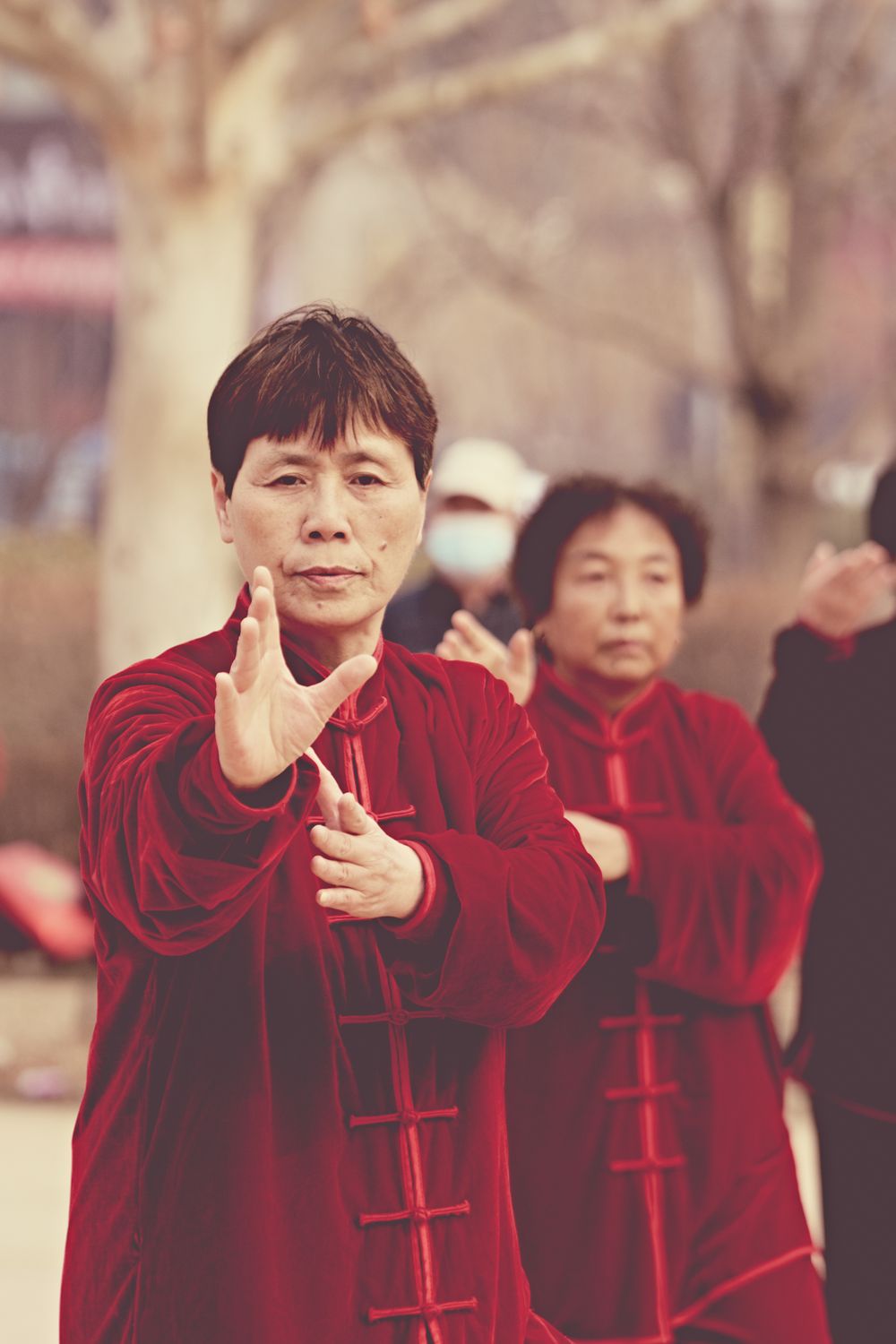
In a single day, you'll see grandparents doing tai chi at dawn in a Beijing park and, by afternoon, a train racing at nearly 200 miles an hour. This journey travels right through that contrast.
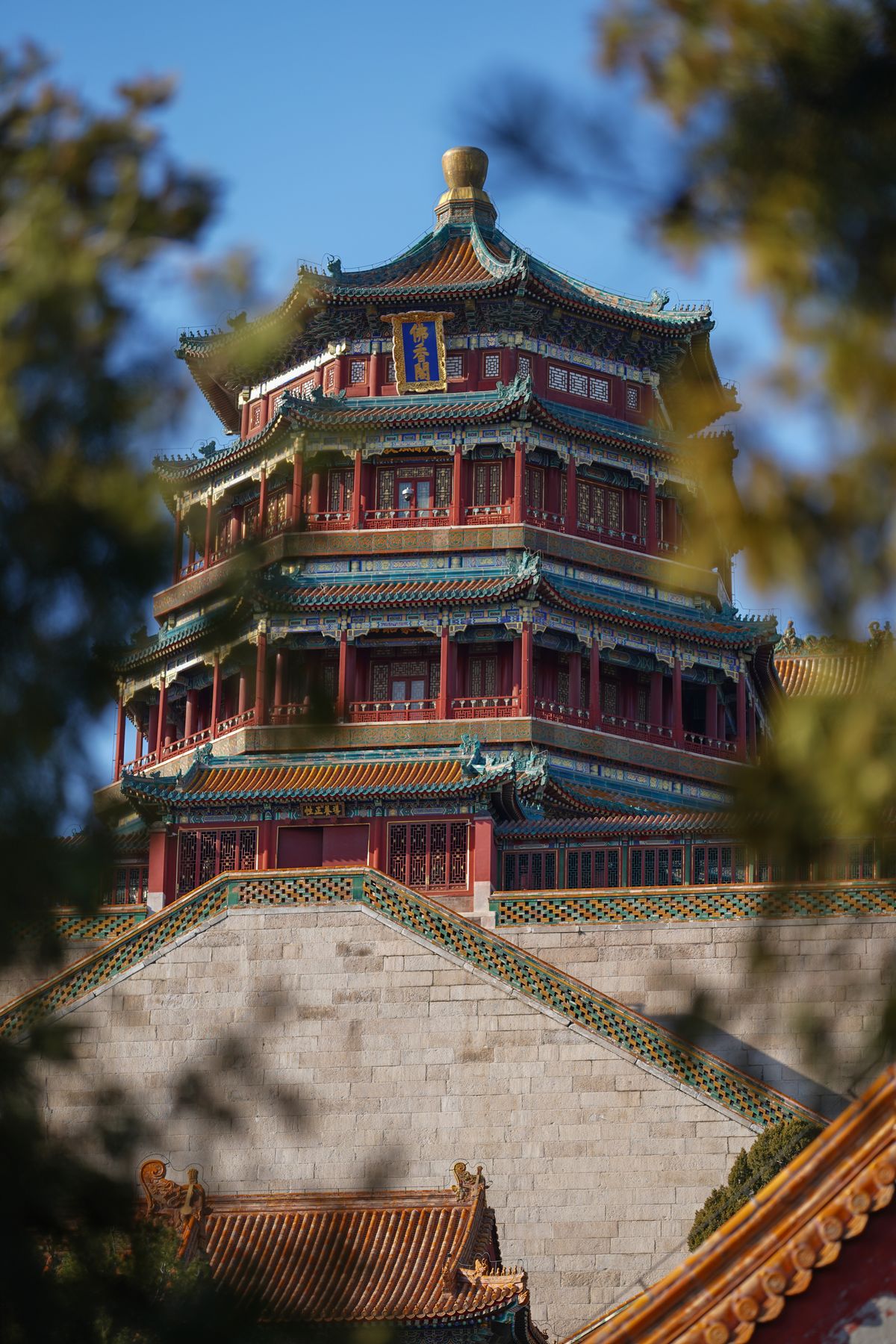
Dynasties, Tao and tea
- The Forbidden City, home to 24 emperors
- The Great Wall and the Terracotta Army
- Tai chi, Chinese medicine and the tea ceremony
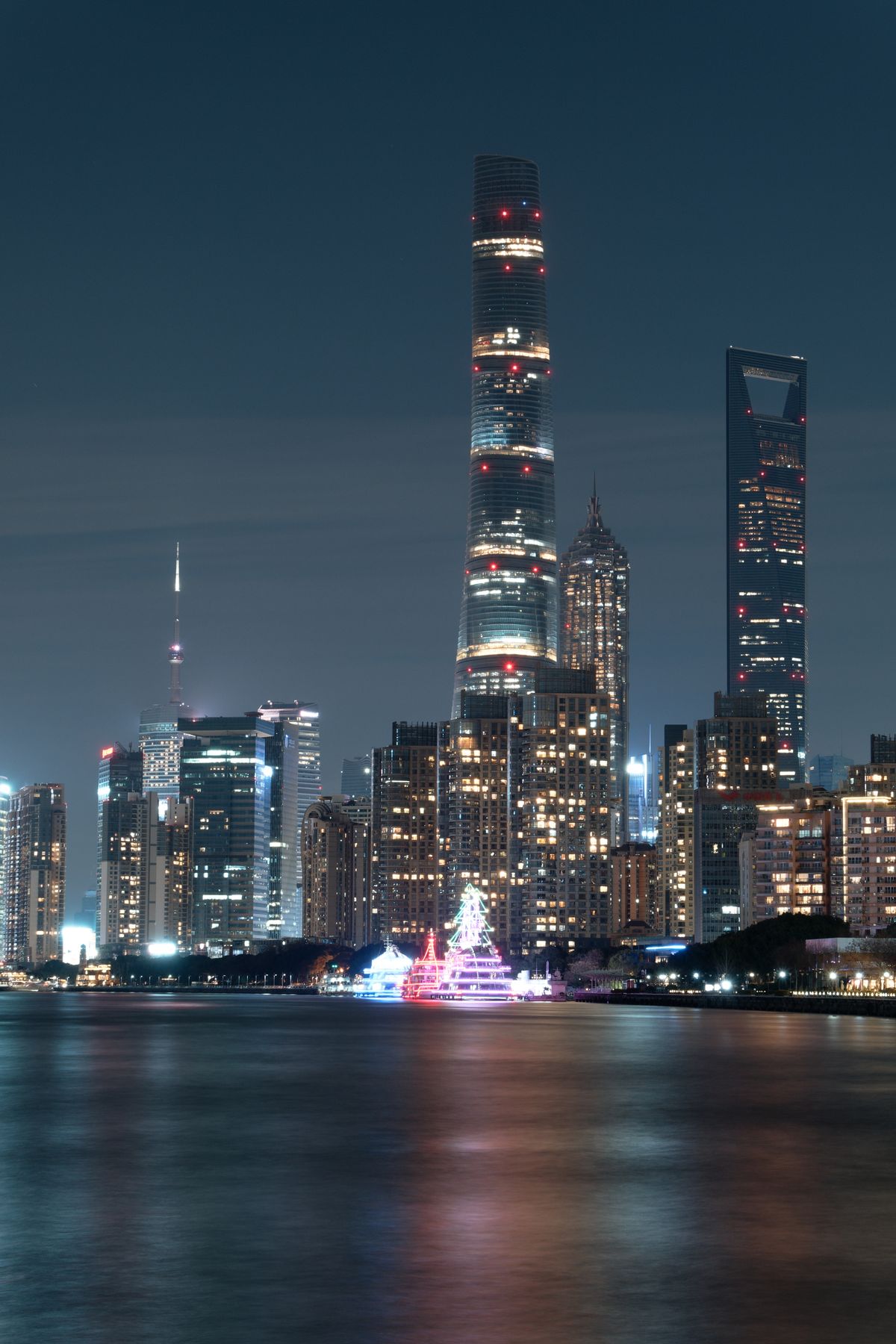
Trains, robots and skyscrapers
- Bullet trains linking the country end to end
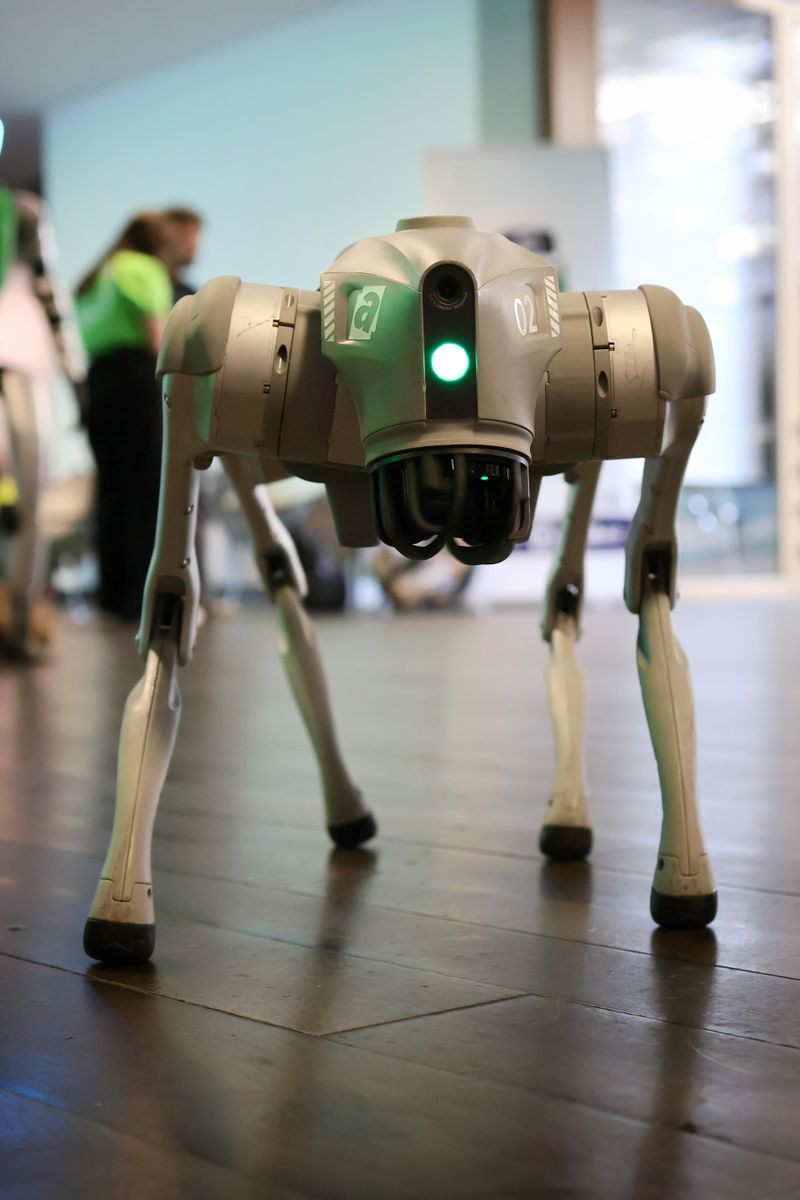
- Robots, driverless cars and smart cities
- Shanghai, where in 1990 there was little more than farmland
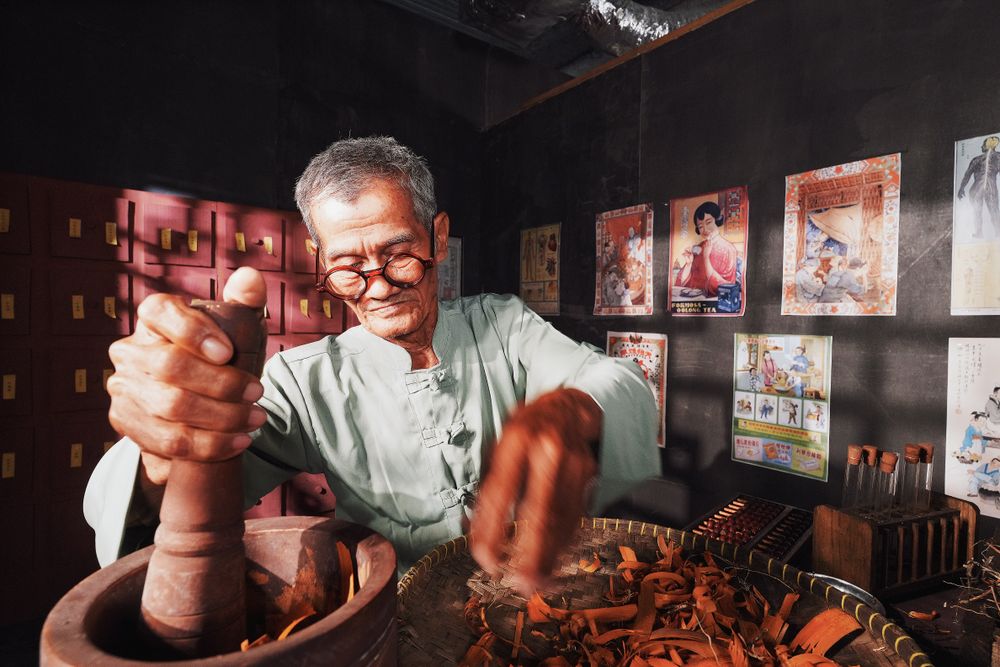
Where every formula has an emperor
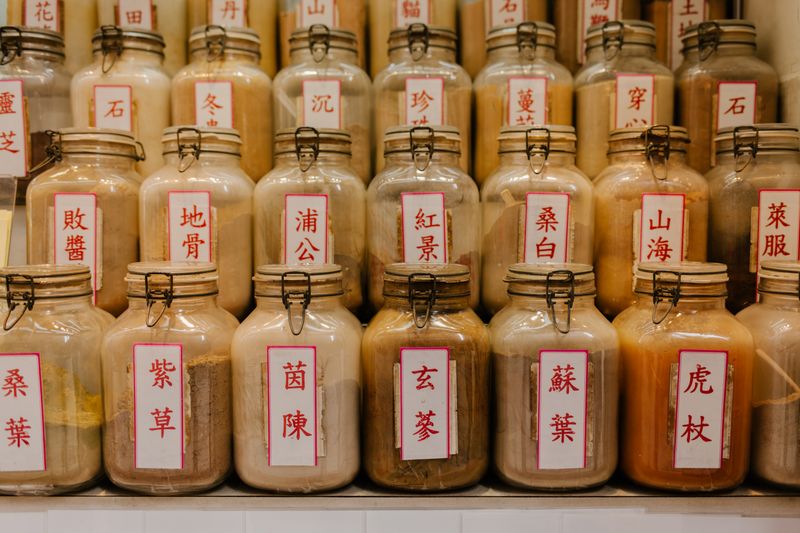
In a Chinese pharmacy, the main herb in each formula is called the emperor, and the others serve as minister, assistant and messenger. The herbs are taken from small wooden drawers and weighed by hand.
We'll visit Chinese medicine centers in Beijing to see acupuncture, moxibustion and tui na massage up close, all working on the same meridians of the body. In 2010, UNESCO recognized acupuncture and moxibustion as part of the intangible cultural heritage of humanity.
From Beijing to Shanghai
Eighteen days, seven cities, four bullet-train legs and the Maglev. You'll receive the day-by-day itinerary, with hotels and group dates, in our WhatsApp conversation.
The city of emperors
Beijing holds nearly six centuries of imperial history. This is where we begin, slowly, at the city's pace.
- Tai chi at dawn in the Temple of Heaven park
- The Forbidden City and Tiananmen Square
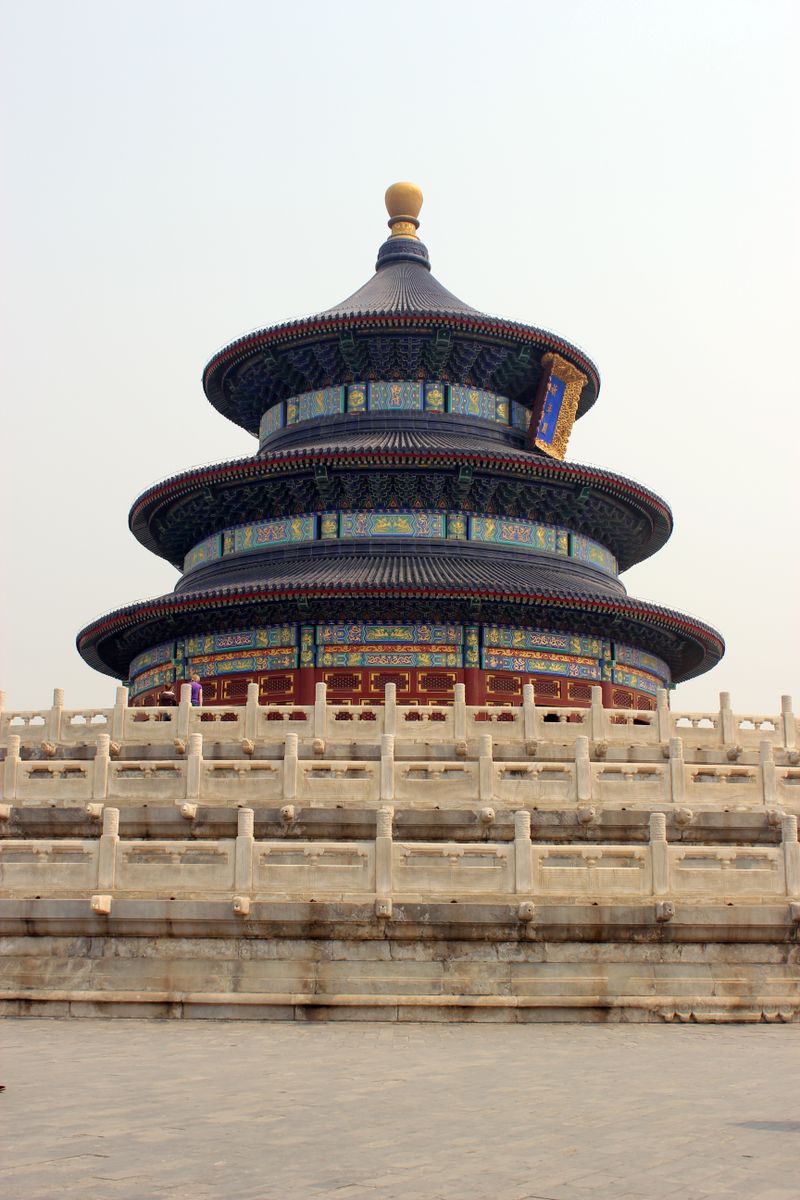
- The Temple of Heaven, where the emperor prayed for good harvests
- Wangfujing Street and its street snacks
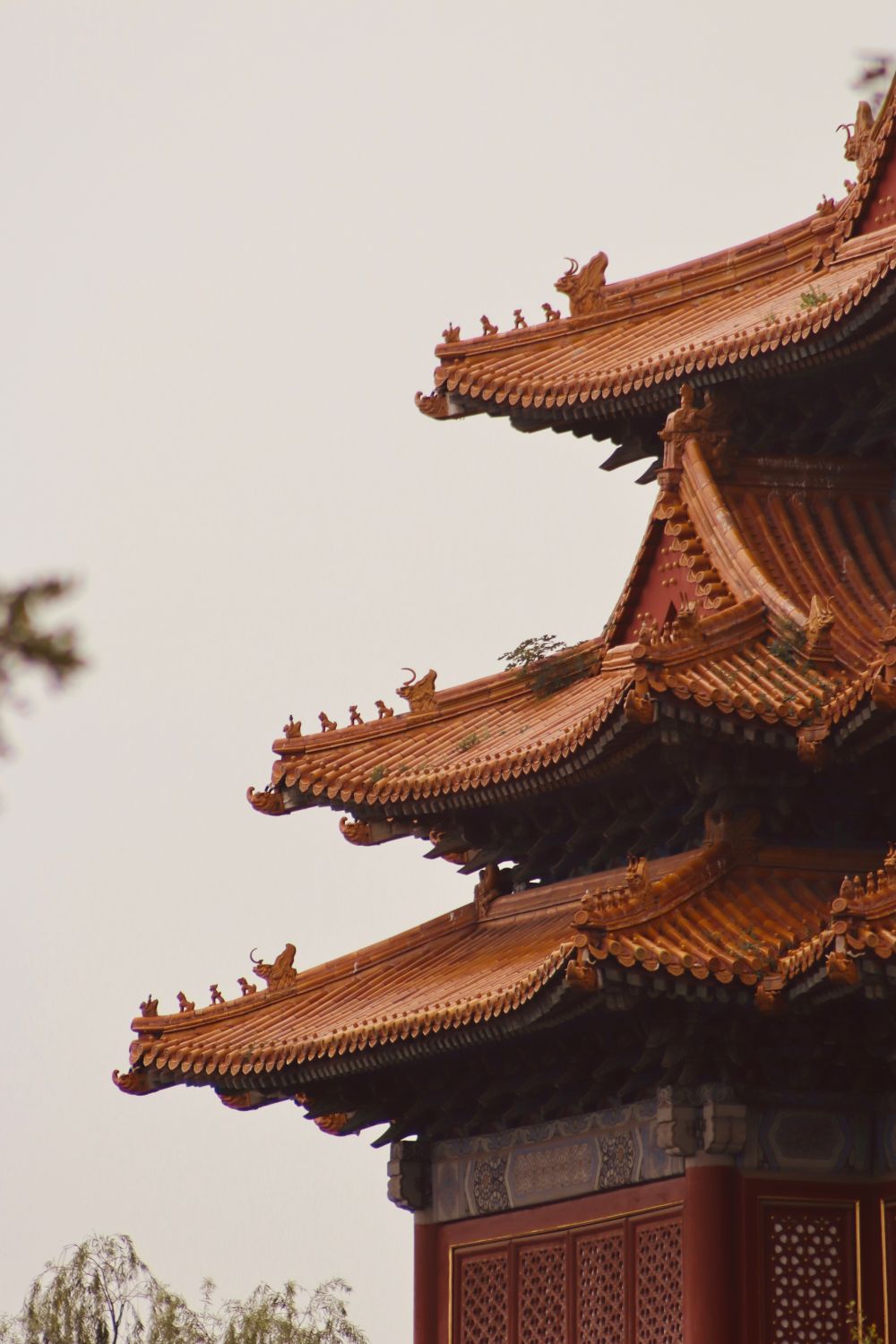
Two thousand years across the mountains
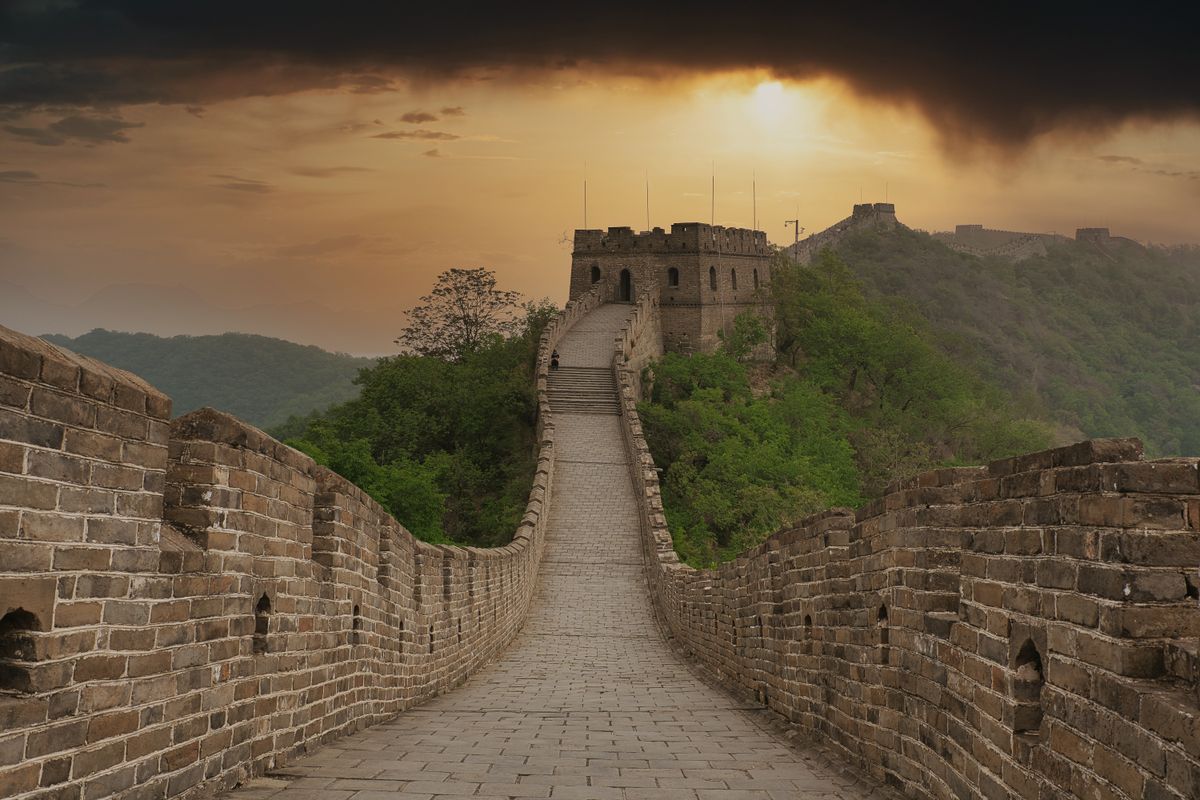
We ride the cable car up to the Mutianyu section, among watchtowers and forested slopes, where the Wall snakes along the ridges as far as the eye can see. On the way back, the Sacred Way of the Ming Tombs, lined with stone statues, and the Bird's Nest, the 2008 Olympic stadium.
Needles, herbs and tea
A day devoted to the body as China understands it: a Chinese medicine center, a traditional pharmacy and, in the afternoon, the gardens of the Summer Palace and a pause at a teahouse.
- Visits to acupuncture and tui na massage centers
- The traditional pharmacy and its hand-weighed herbs
- The Summer Palace and Kunming Lake

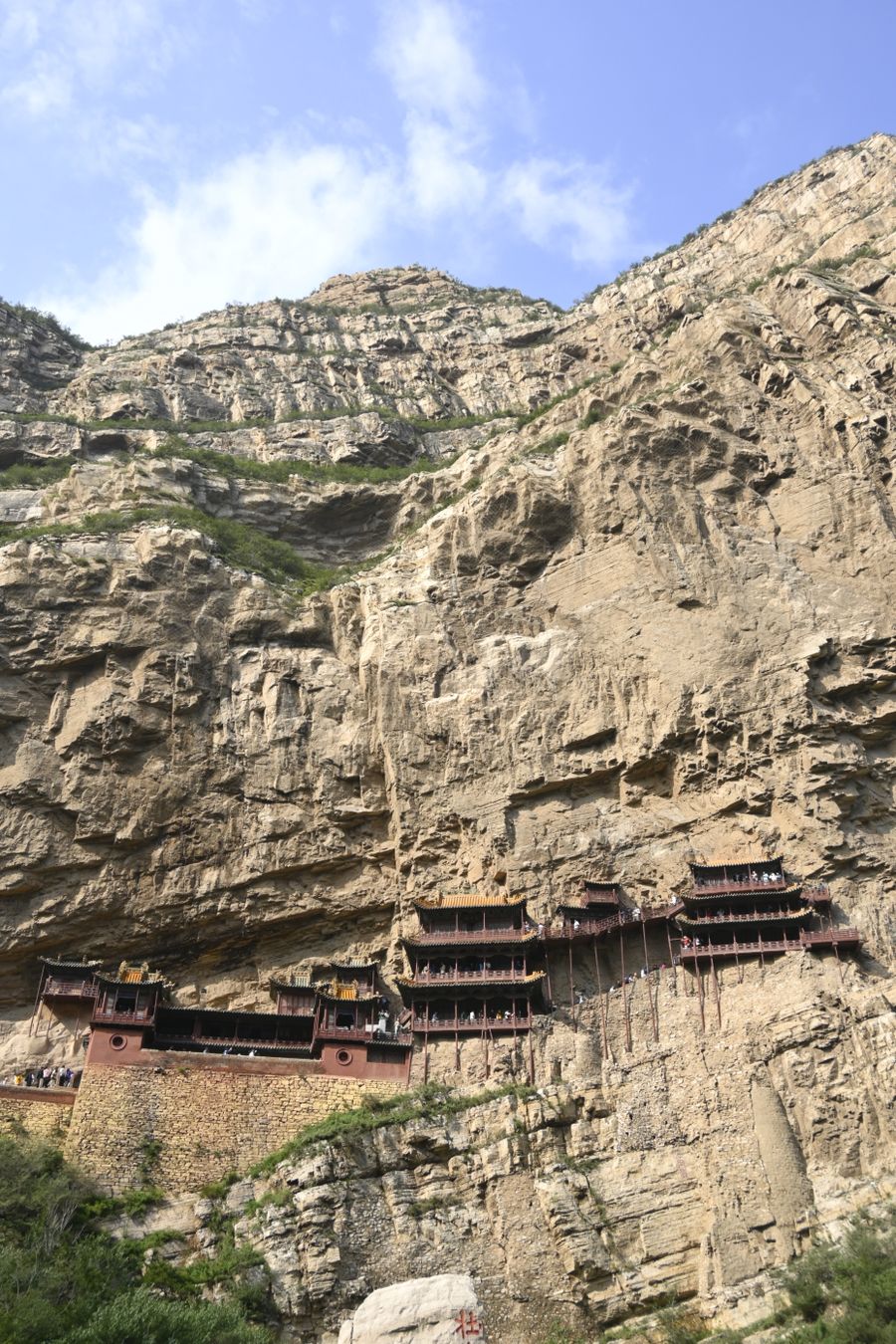
The temple hanging from the cliff
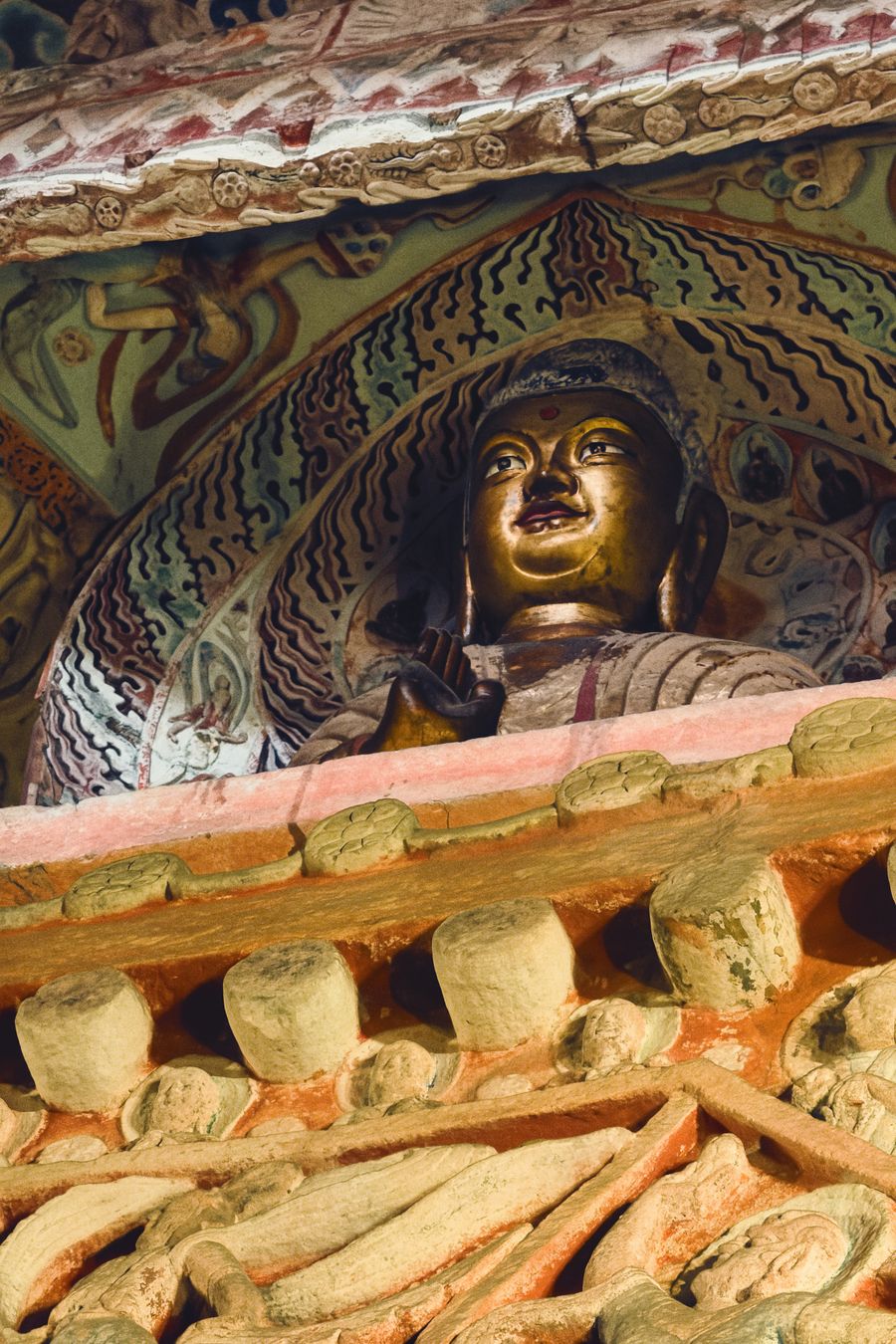
In about two hours by bullet train, we head to Datong, the ancient Buddhist capital of the north. There, a wooden monastery has balanced on a sheer rock face for more than 1,500 years, and thousands of Buddhas were carved into the caves.
- The Hanging Temple, on Mount Heng
- The Yungang Grottoes, a UNESCO World Heritage Site
- Huayan Temple and the Nine Dragon Wall
- By bullet train, we continue to Xi'an
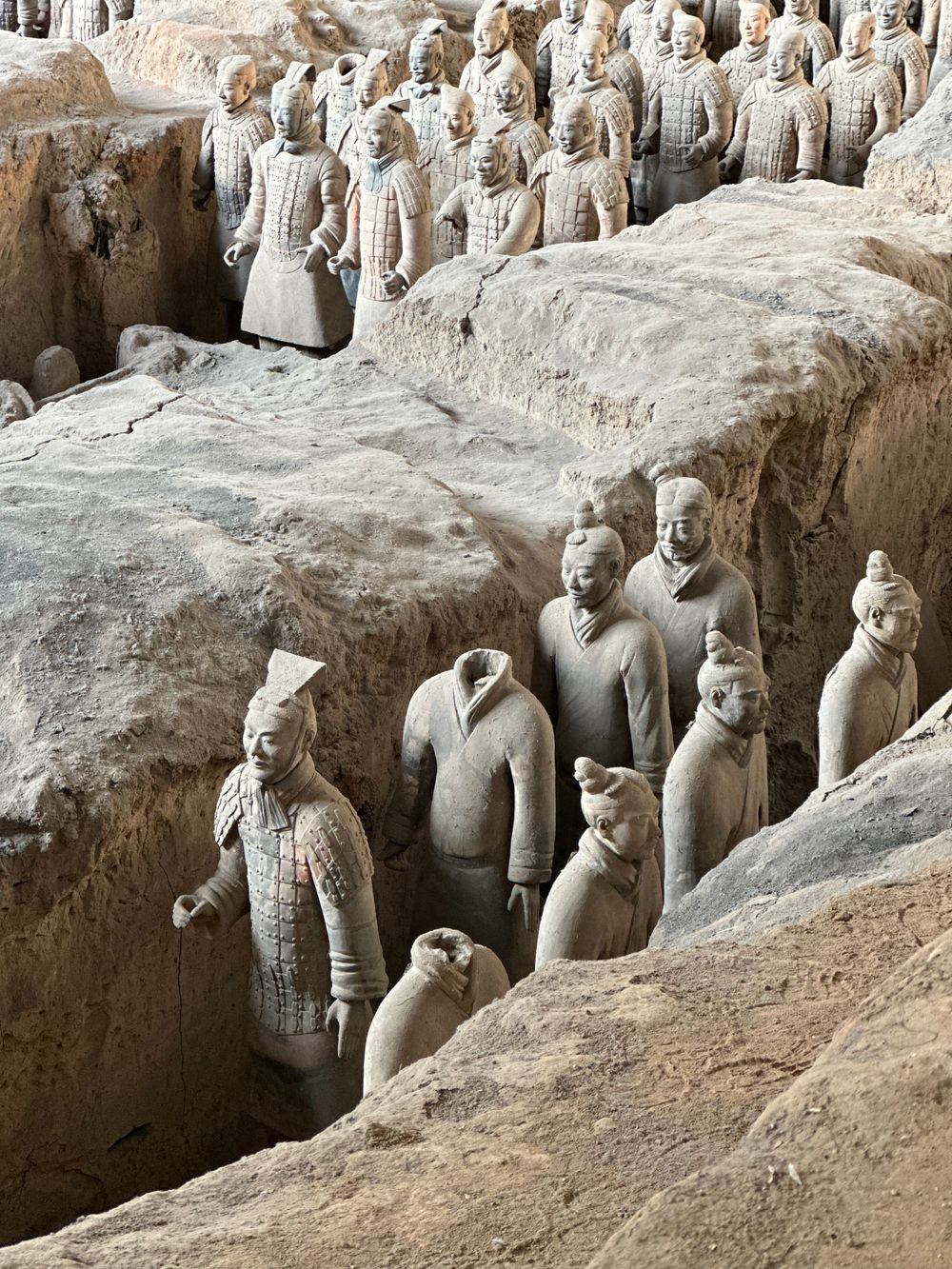
The army that guards an emperor
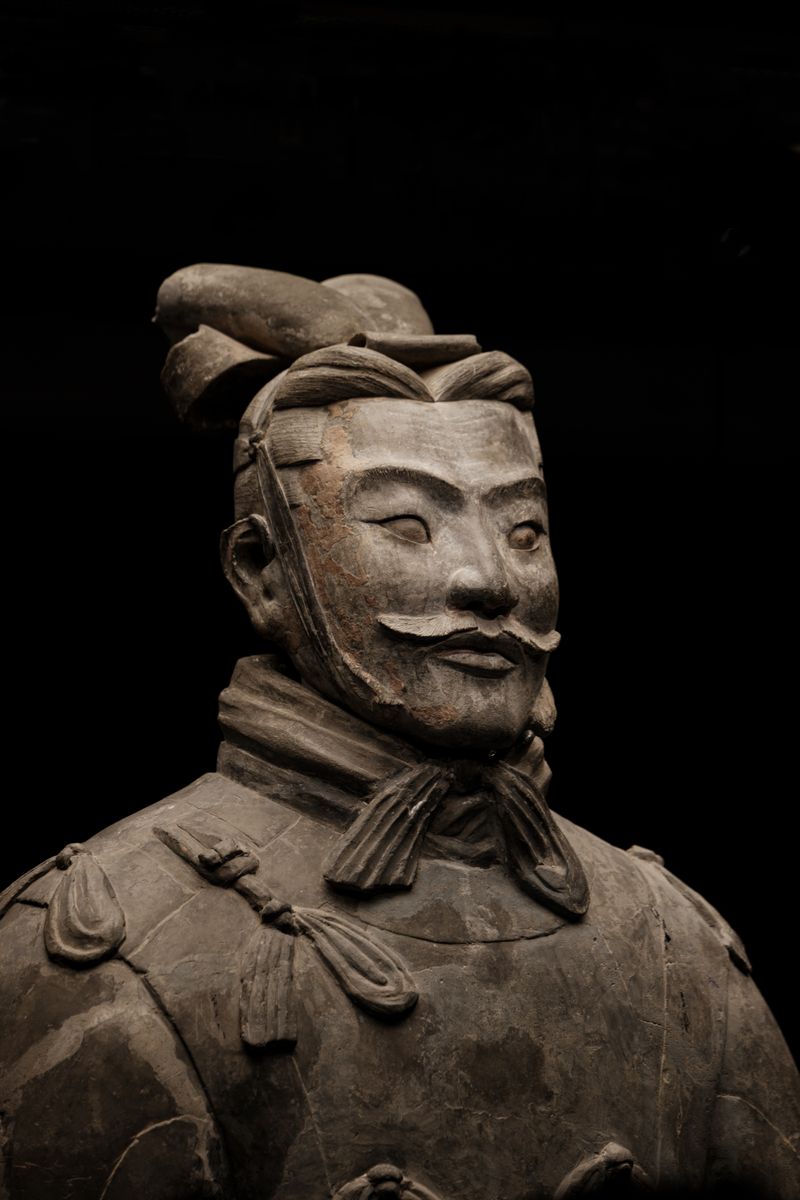
Xi'an was the capital of many dynasties and the starting point of the Silk Road. Nearby, thousands of terracotta soldiers, each with a different face, have guarded the tomb of China's first emperor for more than two thousand years.
- The Terracotta Army and the Giant Wild Goose Pagoda
- Xi'an's Ancient City Wall, on foot or by bike
- A Tang Dynasty dinner show with a dumpling banquet
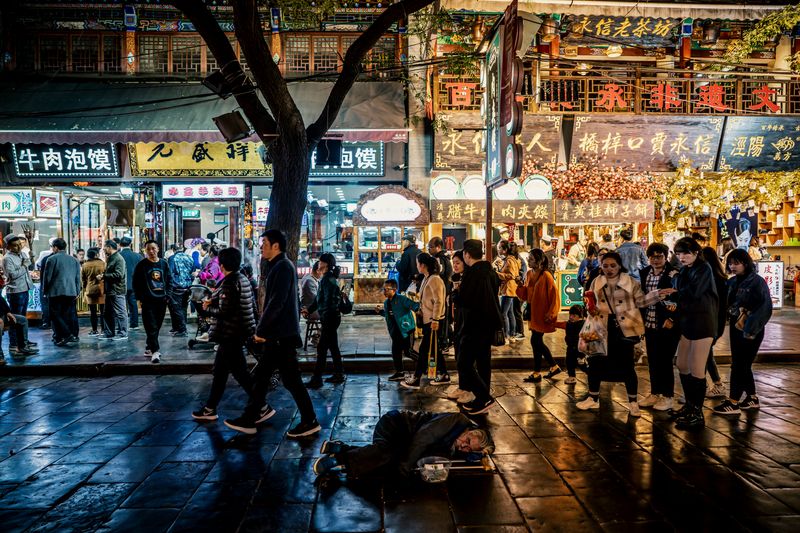
- The Muslim Quarter, with spices, teas and street food
A landscape that looks brush-painted
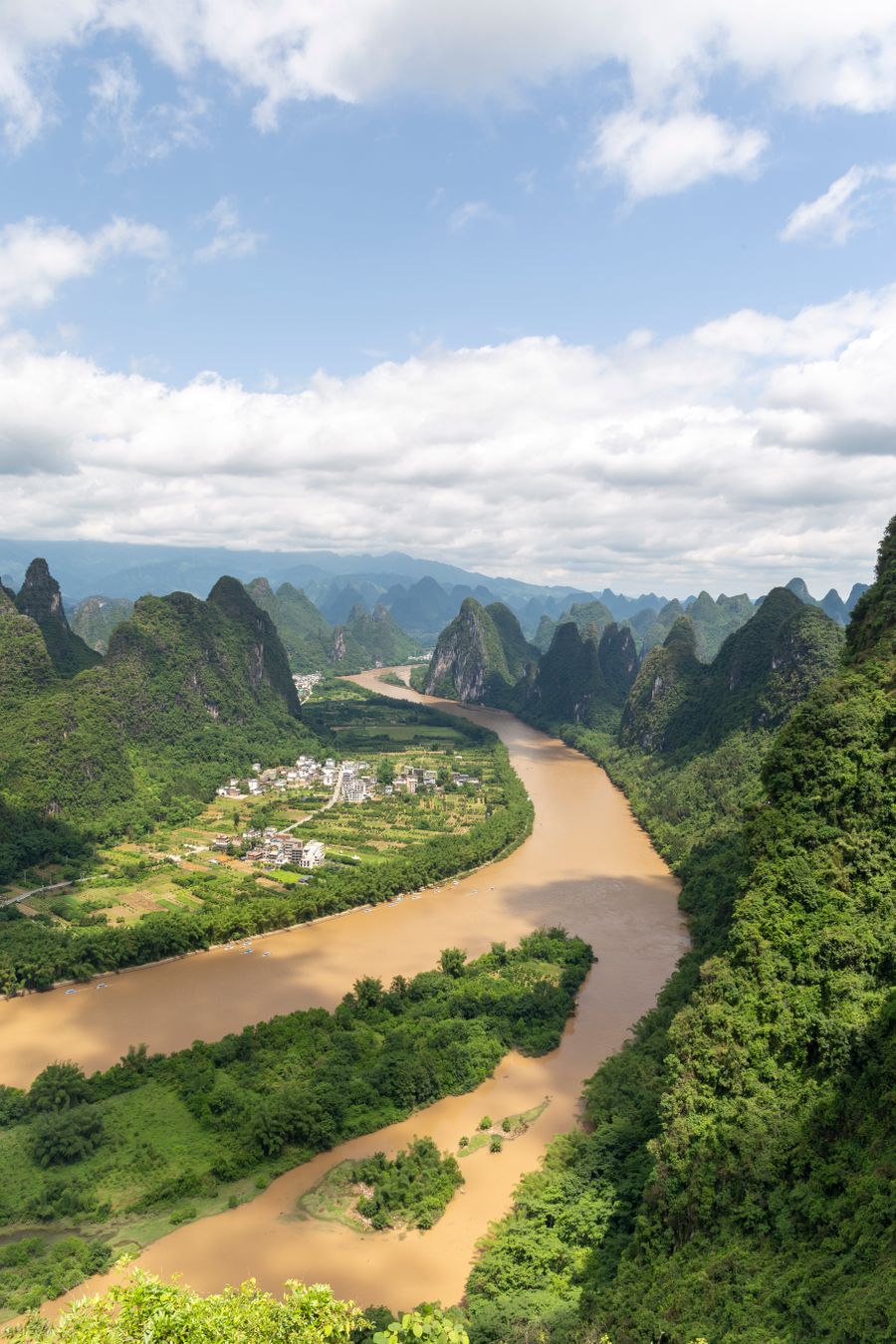
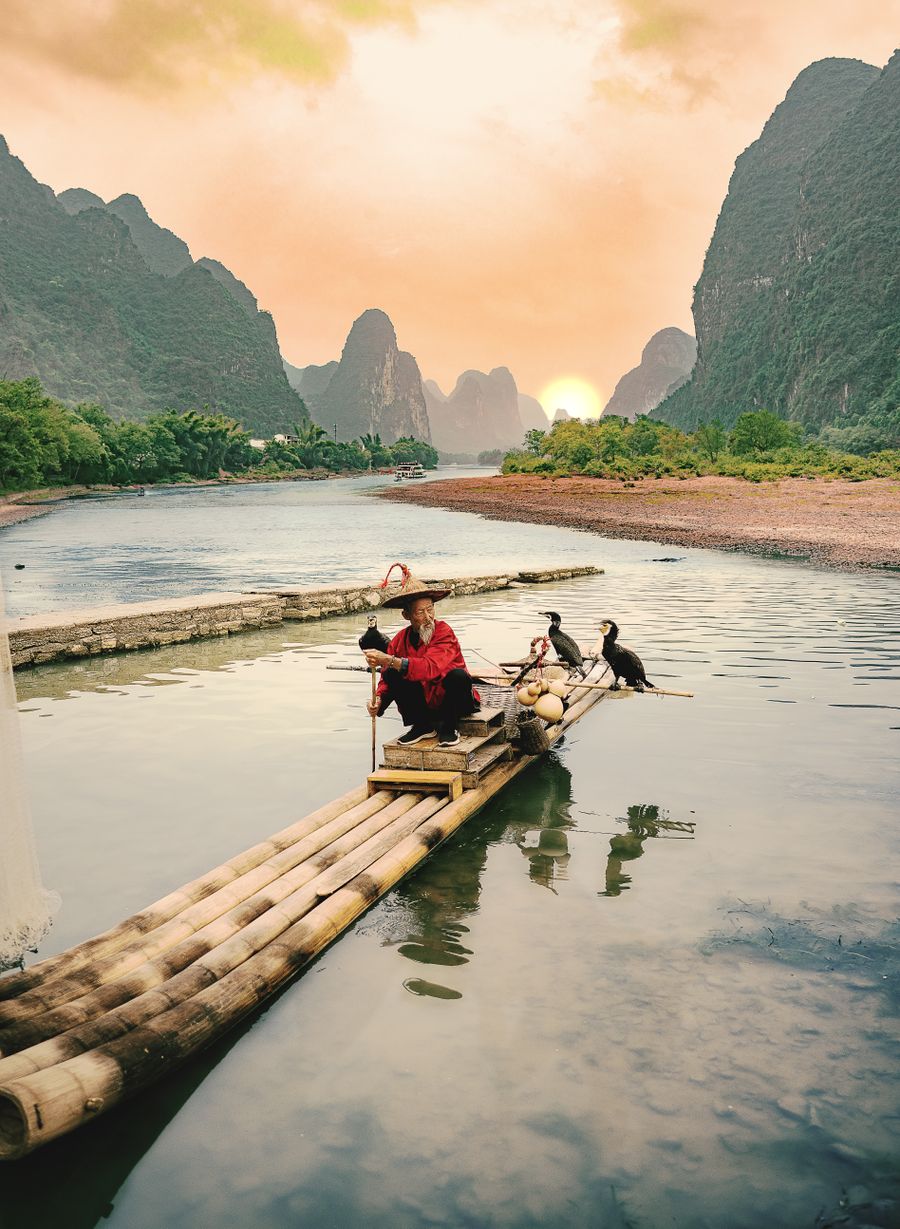
The mountains in Chinese paintings really exist. In Guilin, the Li River flows between green-covered limestone peaks, and we sail down it to Yangshuo, where fishermen still head out on bamboo rafts.
- The Li River cruise, from Guilin to Yangshuo
- Reed Flute Cave and Elephant Trunk Hill
- A bike ride through the fields along the Yulong River
From fishing village to tech capital
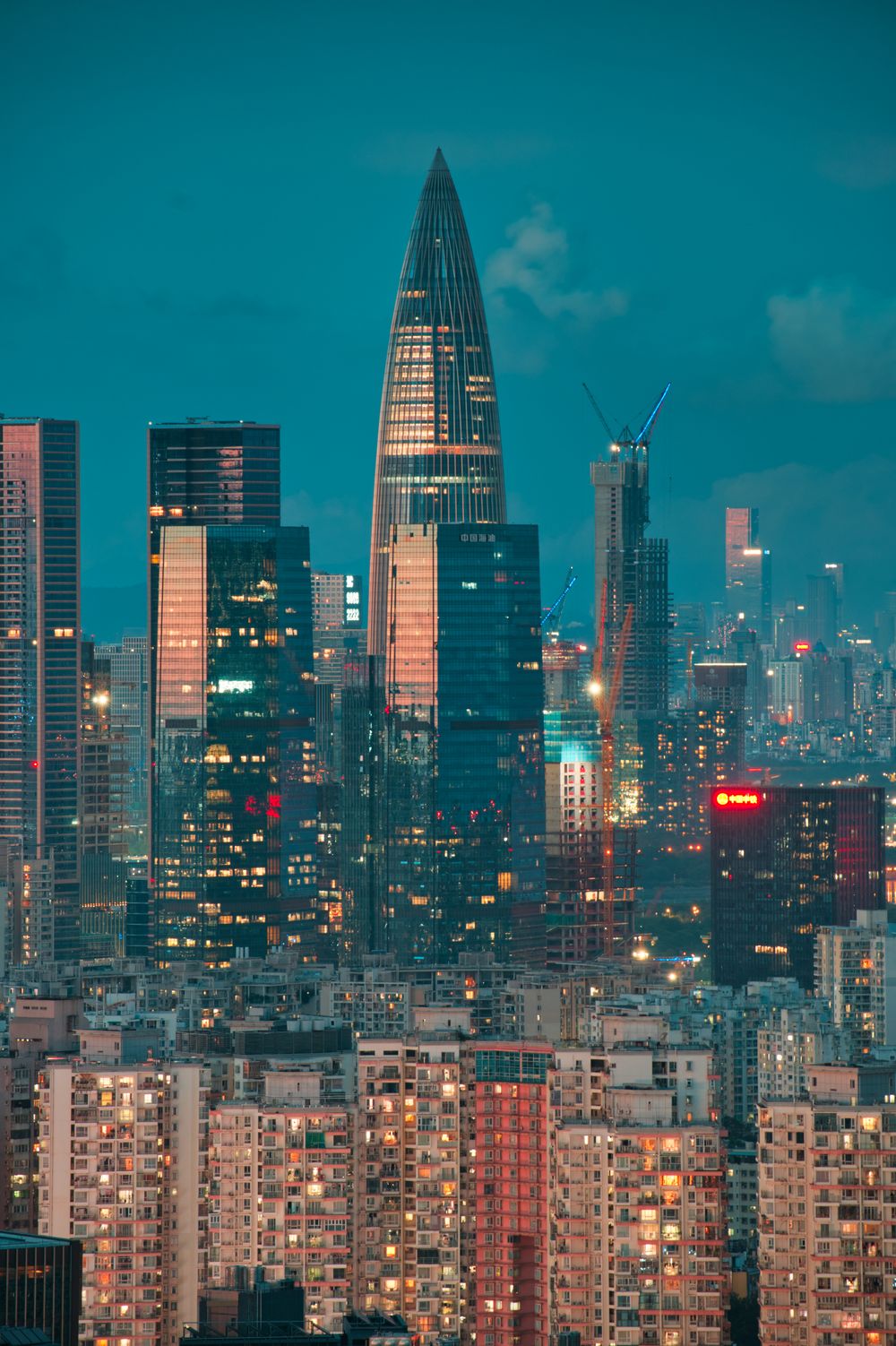
We arrive by bullet train, about three hours from Guilin. In just a few decades, Shenzhen went from a fishing village to China's largest technology hub. Here, the future is already walking the streets.
- A ride in a robotaxi, the driverless car
- Coffee delivered by drone and a robot store
- Huaqiangbei, the city's huge electronics market
- The view from the top of the Ping An Finance Center

A skyline that looks like fiction
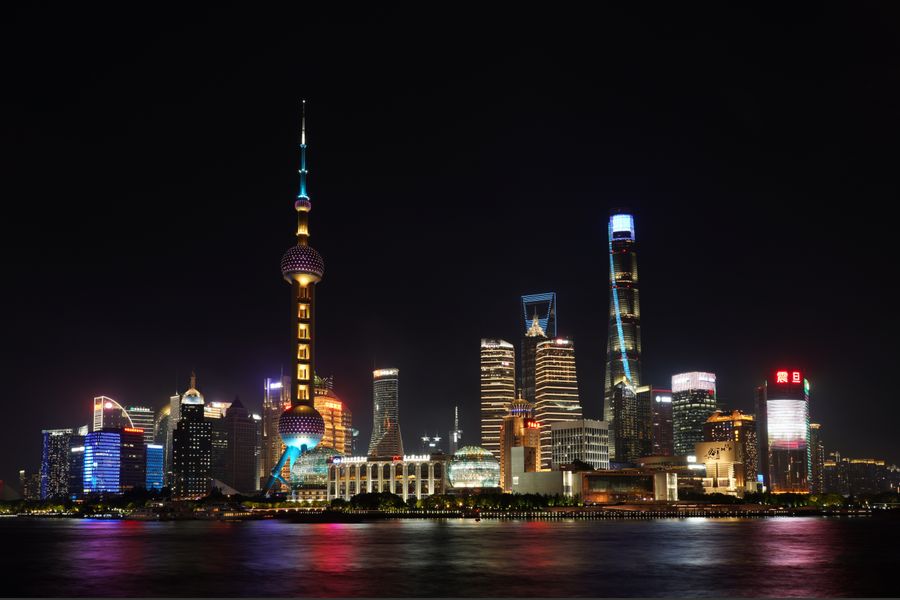
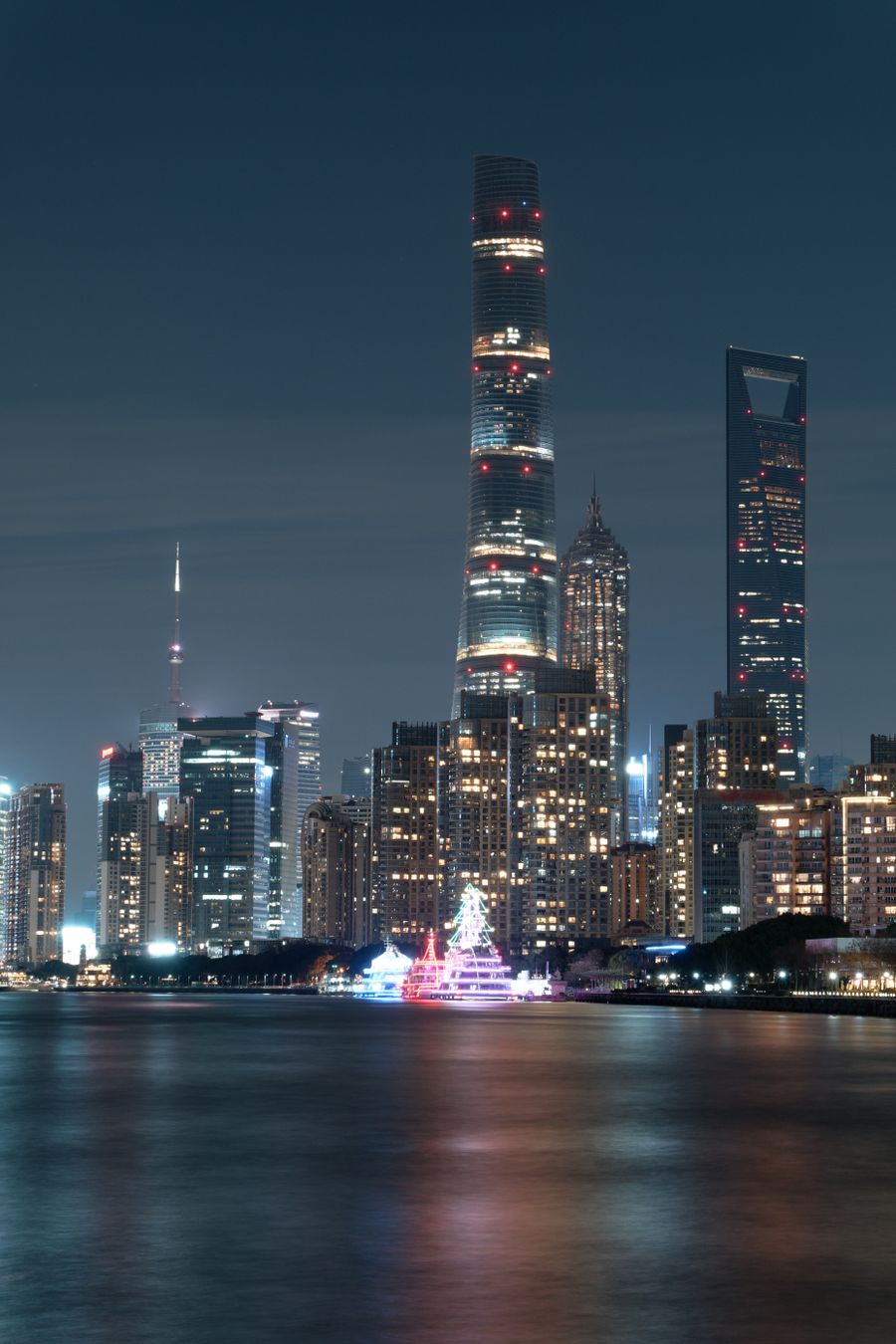
In 1990, Pudong was little more than farmland. Today it's Shanghai's skyline of skyscrapers, where the Bund and Ming Dynasty gardens share the view with towers over 2,000 feet tall.
- The Bund, Nanjing Road and a night cruise on the Huangpu River
- Yu Garden and the Jade Buddha Temple
- Shanghai Tower, with an observation deck on the 118th floor
West Lake tea and the train that levitates
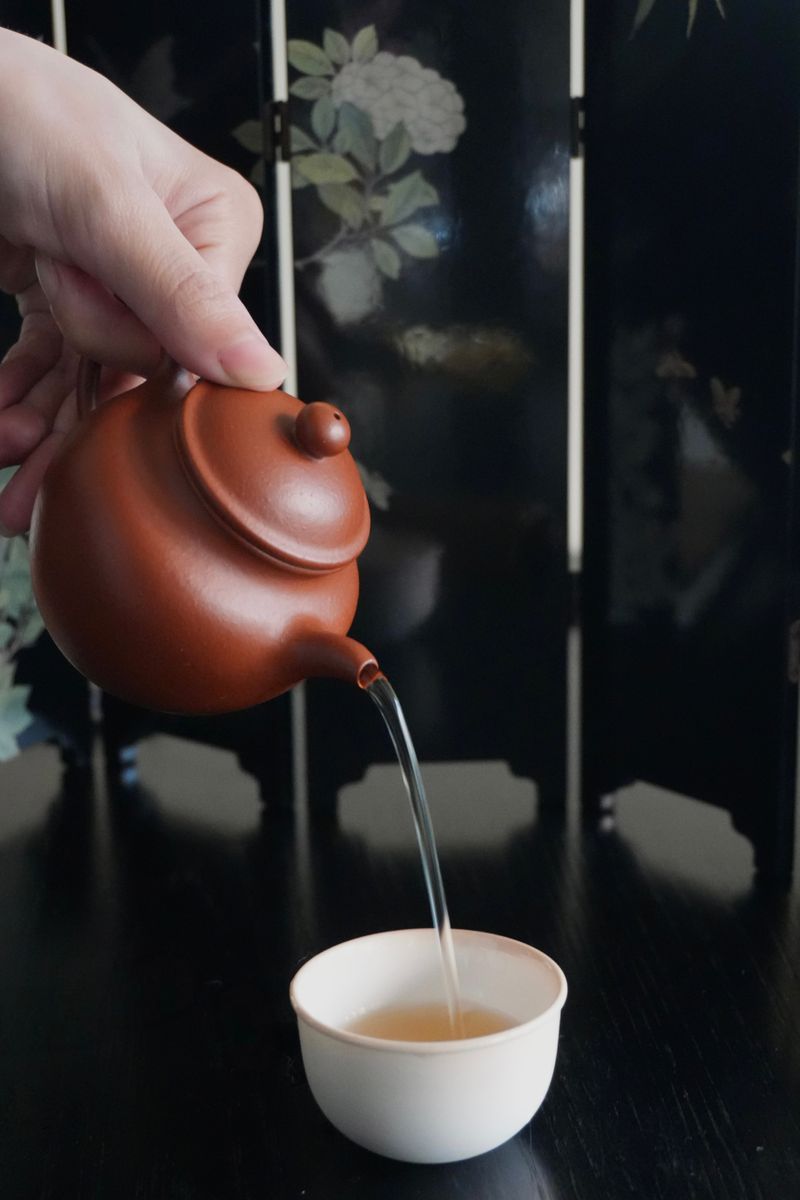
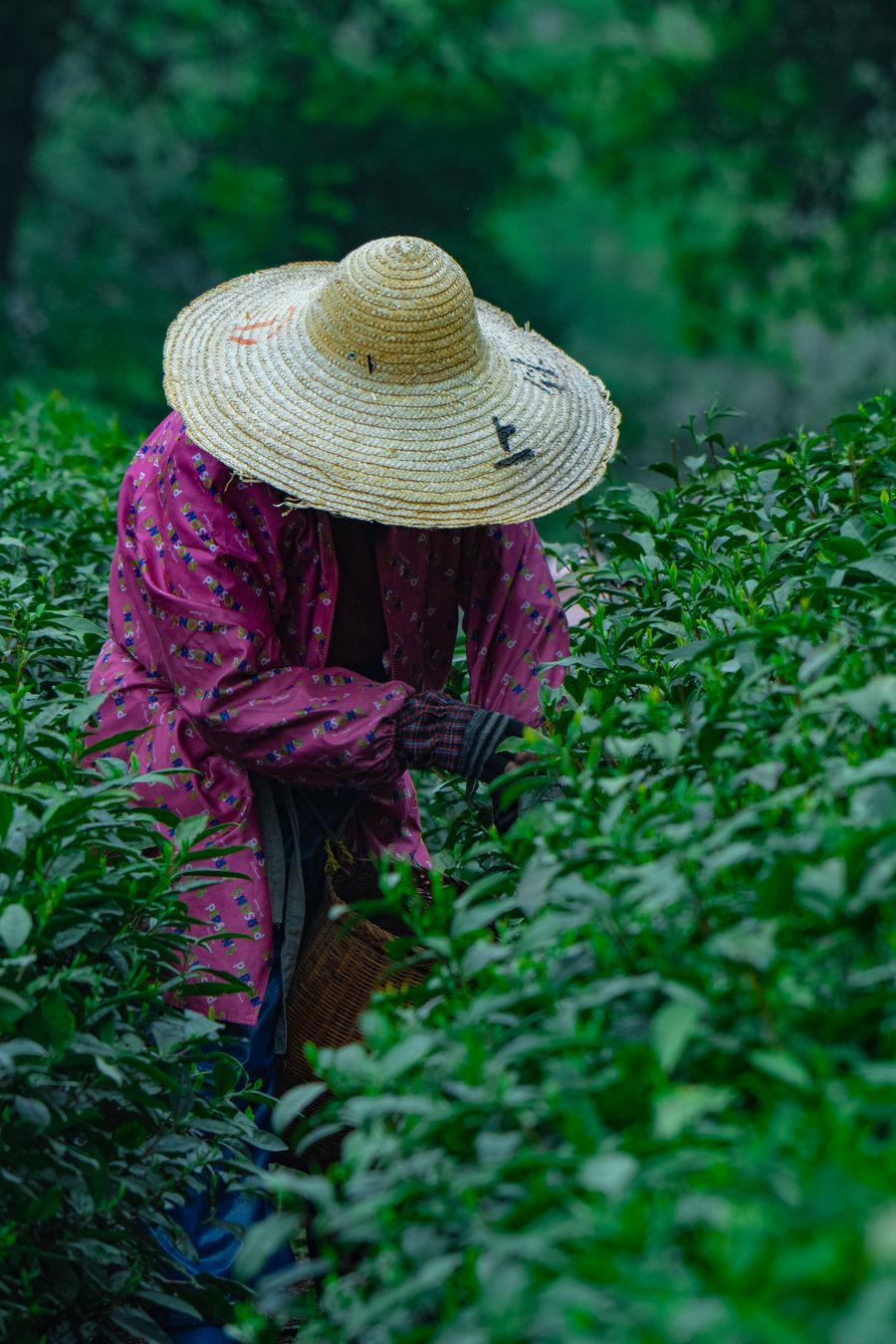
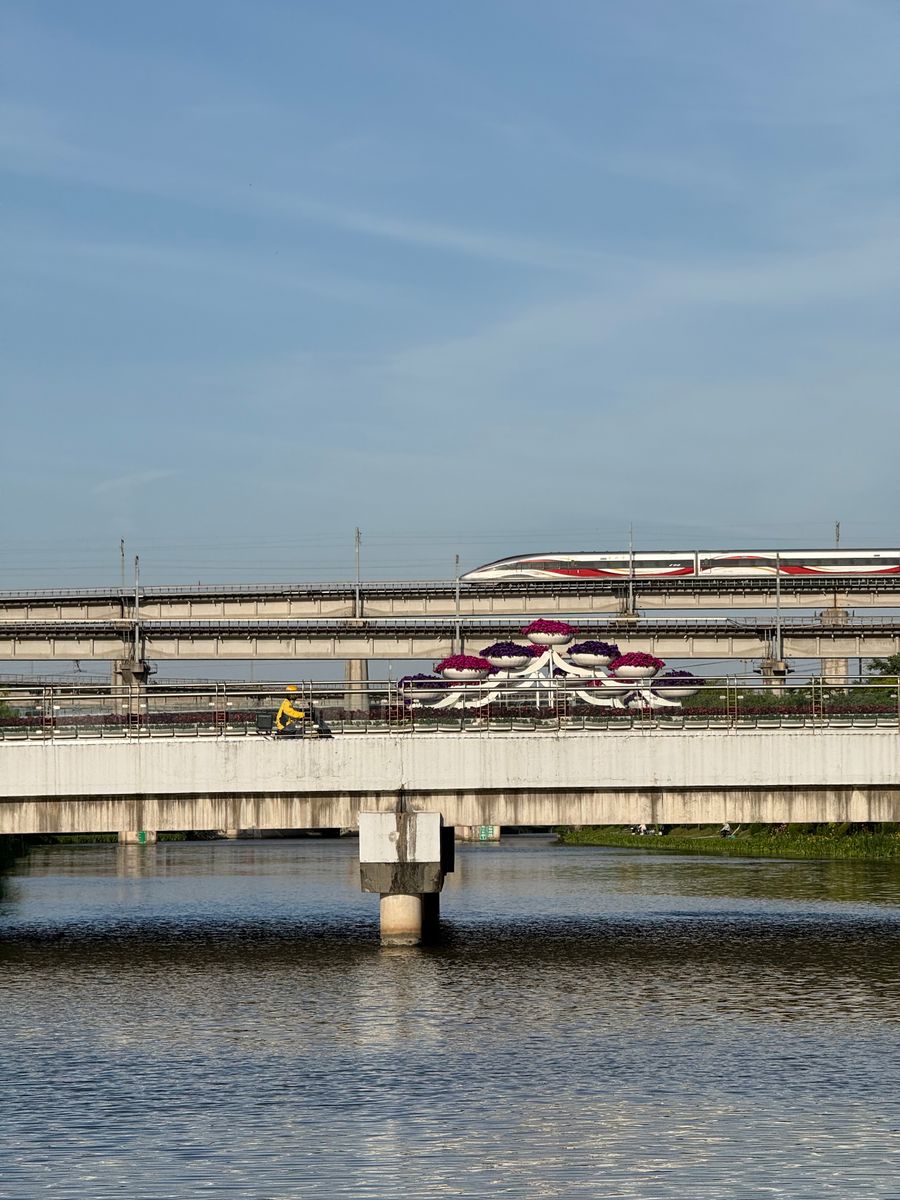
One hour by bullet train takes us to Hangzhou. In the hills around West Lake, Longjing tea is picked by hand, leaf by leaf, in the same city where Alibaba and DeepSeek were born. On the last day, the Maglev, which floats above its tracks, takes us to the airport.
A journey that begins long before you board
Groups are small and spots are limited. That's why everything starts with a conversation.
Private consultation
You tell me what you're looking for. I share the itinerary, the hotels and the group that fits where you are in life.
Guided preparation
Registration, flights, passport, insurance, vaccines, and a selection of reading so you arrive already in tune.
The crossing
Hand-picked hotels, bullet trains between cities, local guides, and me by your side from the first day to the last.
Before you leave for China
Do I need a visa?
U.S. citizens need a Chinese tourist visa for a trip of this length. We guide you through the application step by step during preparation, and keep an eye on any rule changes. Your passport must be valid for at least six months.
Do I need to be a therapist to join?
No. The visits to Chinese medicine centers are designed for anyone curious about health and well-being. No background in the field is needed.
What about the language?
You travel as a group, with me and local guides. You don't need to speak any Chinese to enjoy every outing.
How do we get between cities?
Four bullet-train legs (Beijing to Datong, Datong to Xi'an, Guilin to Shenzhen and Shanghai to Hangzhou), the Maglev to the airport, and two domestic flights (Xi'an to Guilin and Shenzhen to Shanghai).
A travel companion who has been there and back
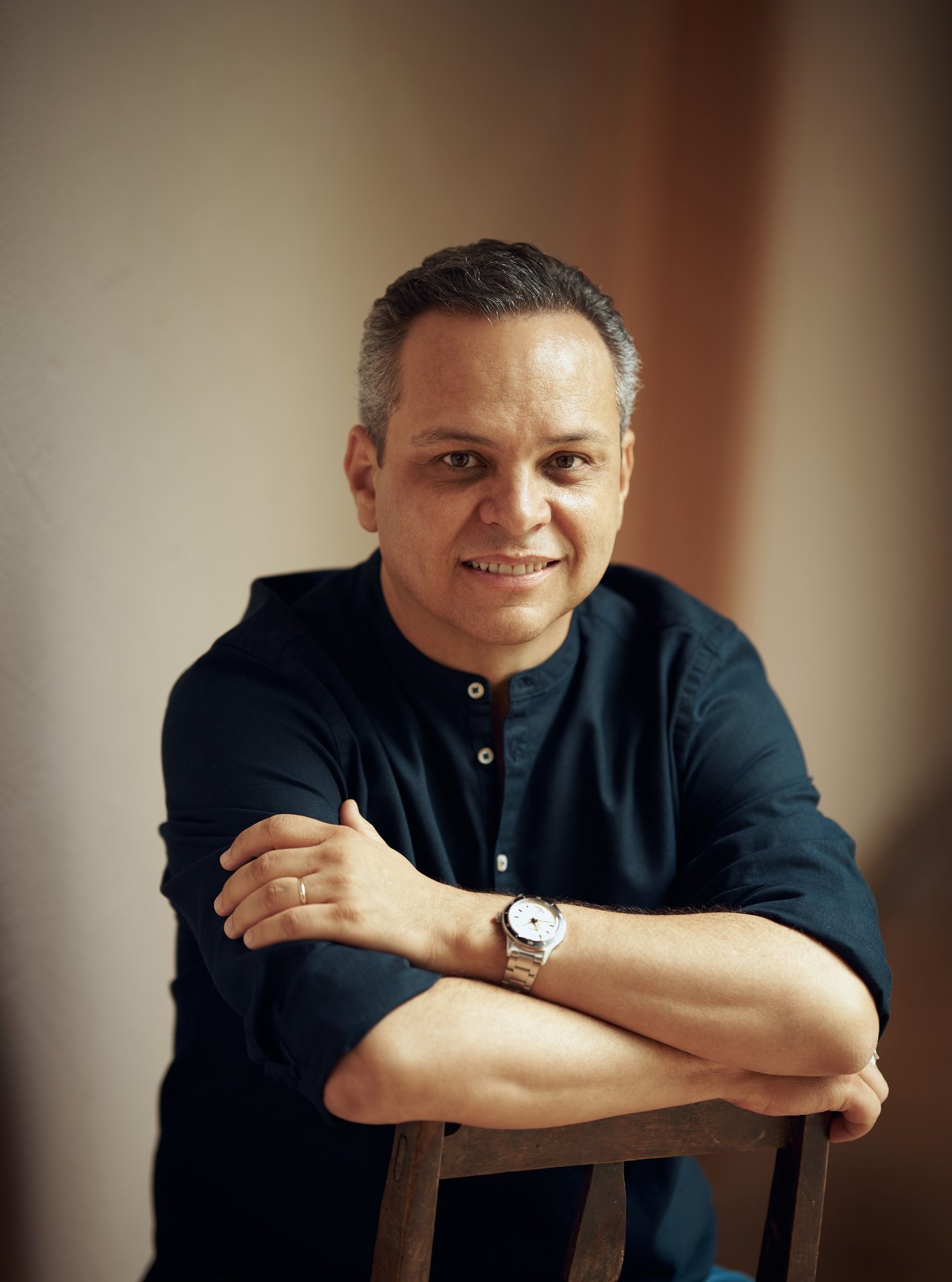
What moves me is what unites humanity. In China, you see it at the family's round table, where no one sits at the head, in the grandparents' tai chi at dawn, and in the Tao, which teaches that the highest good is like water.
It's a journey for those who want to wake up early and join the tai chi circle, listen to a tea master without hurry, and see with their own eyes the country that kept its philosophy for millennia and arrived in our time among the great powers of the world.
China is one of six journeys. India, Nepal, Bhutan, Peru and Egypt are waiting too.
See all destinationsTwo Chinas are waiting for you in 2027.
Small group, limited spots. Book your conversation and receive the full itinerary.
Talk to Sagrado Tourism
-
Phone+55 31 99629-8418
-
WhatsApp+55 31 99629-8418
-
Email[email protected]
-
OfficeSão Paulo · Brazil
Personal service, with a reply within one business day. Everything you share with us is handled with complete discretion.
Sagrado Tourism · Prof. Arjun · @arjun.life